How the seed of an idea to grow food in London is thriving.
The history of OrganicLea began with a simple concept – more food can, and should, be grown in London.
Some key influences shaped the forming of OrganicLea, and its location in time and place:
- Food is a good place to start in working for social and economic justice: it provides a common language to bring people together in communities and across divides. Food crises from salmonella and mad cow disease to genetic modification had brought the industrialised food system into people’s awareness.
- Land ownership and access in the UK is one of the most unequal in the world, and this fact which underlies so much of our economic system remains untold.
- The broken global trade system which puts profit before people needs to be opposed and challenged, as was happening with global actions at World Trade Organisation meetings and elsewhere. But there was recognition of the need also to build the world we want to see, in our own communities.
- London is where communities come together; and the River Lea has acted as a food growing corridor into the city, with its rich alluvial soil. Let’s combine the food growing heritage of the Lea Valley with our political/social vision.
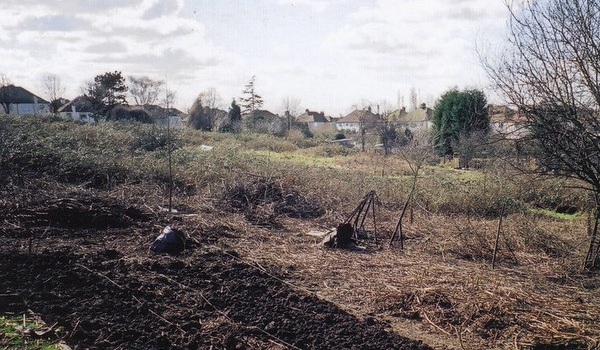
So in 2001, with local authority agreement, a team of growers and volunteers began working on on an acre of derelict allotment on the edge of Epping Forest in London.
The first few years of bramble clearing, building raised beds, and planting a forest garden with apple trees and fruit bushes set the scene for what came next.
Growing food in London
We set to building a pond, a willow dome, and a compost toilet tucked into a honeysuckle bush. We began planting annual and perennial vegetables using organic and permaculture principles, working with nature to grow crops in a sustainable way.
Early on, the site became a hub of community activity. Volunteers came for a day’s work and shared in the harvest, while some surplus produce was sold on market stalls and through organisations such as North Leyton Surestart. Training courses gave aspiring growers a chance to improve their knowledge and skills. And social events celebrated the changing seasons.
Building a local economy
As OrganicLea grew, so did our ambition to support a vibrant local food economy by keeping its production and distribution within the community. In 2003, we published a report exploring the creation of a local food scheme in Waltham Forest.
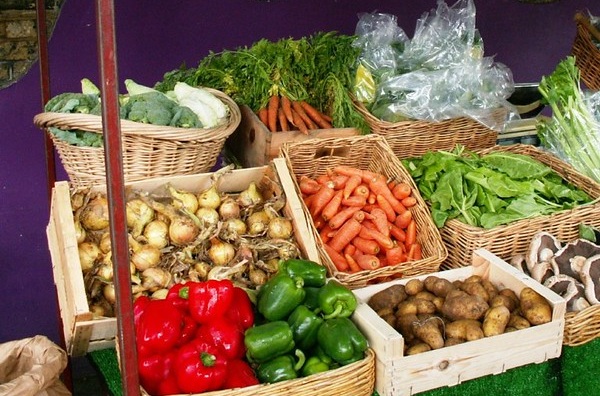
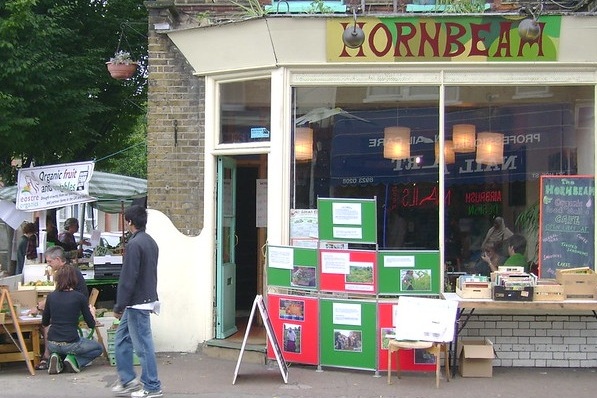
In 2006, we set up a weekly market outside the Hornbeam Centre with some supplies coming from small-scale organic farmers in East Anglia and Europe. Then with a grant from the Big Lottery’s Making Local Food Work programme, the centre was refurbished in 2008. A weekly box scheme began, with support for local gardeners and allotment holders to sell their surplus produce through the Cropshare scheme. Meanwhile, the events and workshops continued to celebrate and share knowledge.
Scaling up the production
A new opportunity came in 2007 when Waltham Forest Council closed its plant nursery near the OrganicLea allotment. This gave us the chance to develop a community market garden on this Hawkwood Nursery site in Chingford, and further increase food growing in London.
A pivotal time in the history of OrganicLea, the next two years involved site lease negotiations, funding applications and organisational development. We set to developing permaculture designs for the land, the social elements of the project and our workers’ co-operative organisation.
With the first seedlings appearing in 2009, we began supplying salad crops, tomatoes, chillies and squash to the market stall and box scheme, and seedlings to several community growing projects. Securing a ten-year lease in 2010 and with funding in place until 2013, we began major indoor and outdoor vegetable and plant production, while developing an orchard and vineyard.
Grower Ru Litherland recorded our experiences in a grower’s blog, reflecting on the seasons’ turning and the joys and challenges of food production.
This short film about the OrganicLea project and its aims was made around this time.
Mutual support
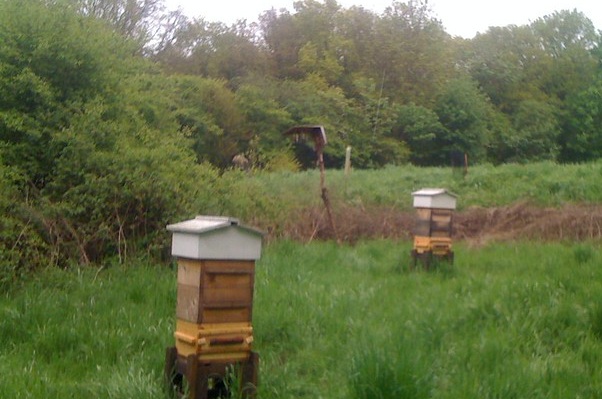
OrganicLea offers volunteering for everyone, along with formal and informal training and skill-sharing workshops, inviting all to get involved, learn, and grow with us.
We find support from being part of a wide network of like-minded growers, and we have always tried to help others to grow. We helped to create the Community Food Growers’ Network, bringing London community groups and organisations together to share experiences and support each other. Our work with communities in our local area has evolved into supporting the Waltham Forest Food Growers’ Network that is now a vibrant hub supporting 50 growing sites.
In 2010 we were proud to host “Transforming Our Food System”, a gathering attended by 110 food campaigners, which helped to launch the Food Sovereignty movement in the UK and kickstart the formation of the Landworkers’ Alliance. We are proud to be part of the LWA which in turn is a member of the international peasants movement La Via Campesina, linking us with smallscale farmers and food growers across the globe.
Looking back in time
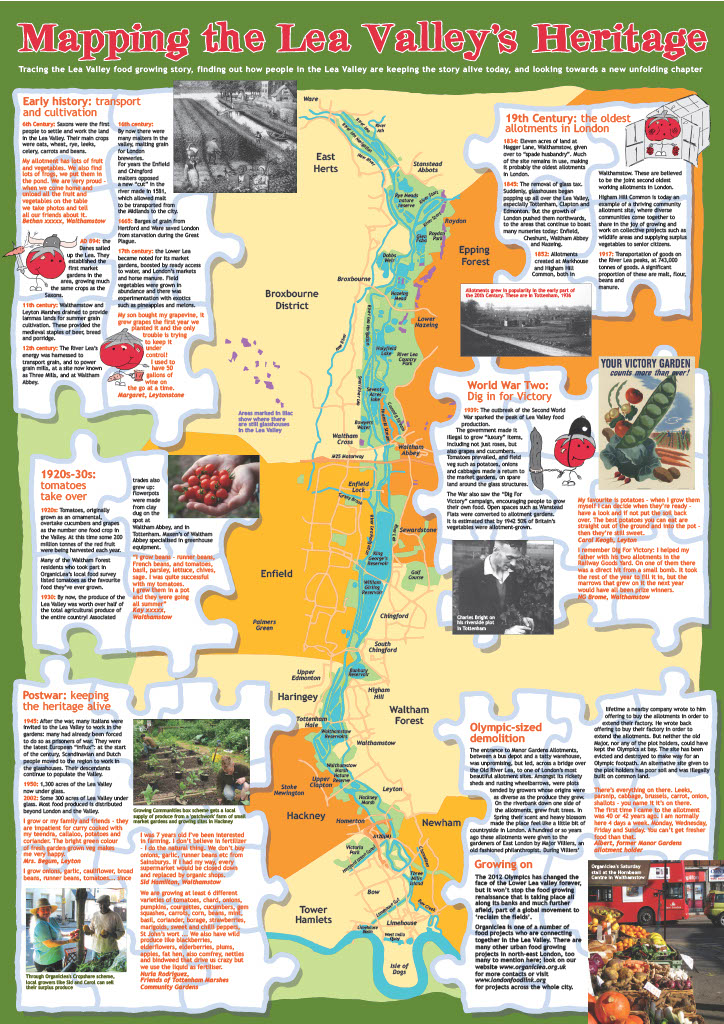
The history of OrganicLea reflects the rich food-growing heritage of the Lea Valley, once known as the bread basket of London. From the Saxon settlers of the sixth century through to Italian glasshouse growers in the 1950s, people came to grow food on the fertile soil by the river Lea.
The Lea Valley Map
The Lea Valley map illustrates some of this food growing history and captures the experience of those who still grow food in the gardens, balconies, allotments and community sites of the area. Today, a new generation of organic growers are the custodians of the valley’s food culture and heritage.