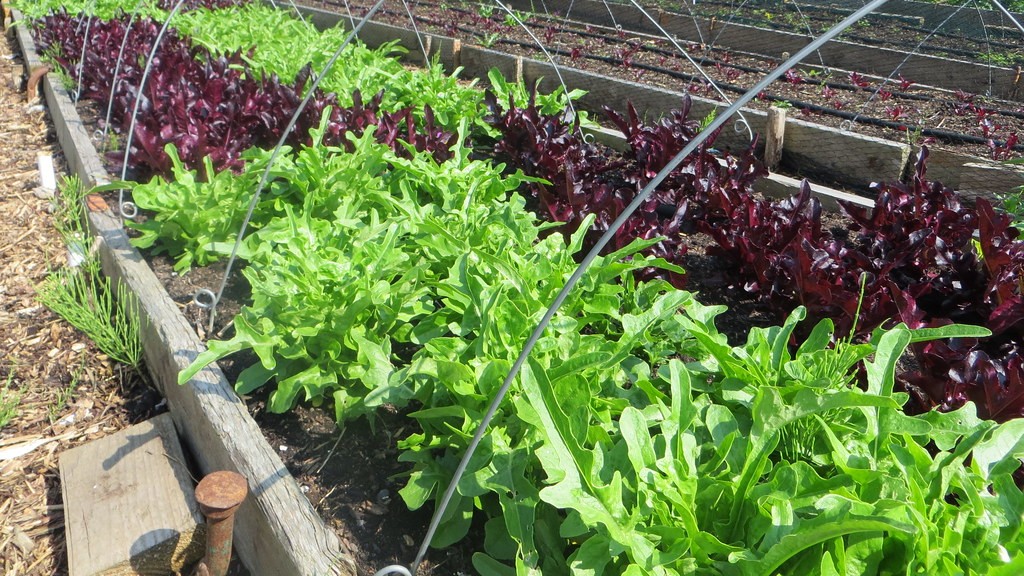
At OrganicLea, we grow produce using organic and agroecological methods. This means working with natural processes to build soil life, fertility and structure as the basis for growing healthy plants and nutritious food. We don’t use chemical fertilisers or pesticides, and we avoid genetically-modified organisms. We aim for sustainable use of natural resources and minimal reliance on materials we don’t produce ourselves.
A wide variety of organic produce
Everything grown at Hawkwood Nursery is free from any inputs derived from animals, at any stage in the process. We believe that current levels of consumption of meat and animal products isn’t good for the planet, our health, or animal welfare. To create a fairer and more sustainable food system, we think a plant-based diet is the way forward.
OrganicLea has Soil Association organic certification for all the food, plants and compost we produce, since 2010. We are members of the Organic Growers Alliance.
We are growing at commercial pace and scale, but we involve people-power far more than fossil-fuel powered machinery. Our mixed salad crops enable us to grow a wide variety of leaves while offering a product almost year round. We are proud of the number of different leaves and edible flowers that feature in our salad bags across the year.
Selling our produce mostly through our own box scheme and farm stall creates a very close link between producer and consumer. We get feedback from customers and we carry out a produce review each year, evaluating this feedback alongside our yield records to determine which crops have worked well and what we may wish to change.
Using permaculture design
Permaculture is a design approach for living more lightly on the planet, rooted in an understanding of nature’s patterns and cycles. When OrganicLea took on Hawkwood Nursery in 2008, we began by using a permaculture design process to observe, map and plan the way the site would be planted and developed. We continue to use many permaculture insights and tools across our work. Find out more about our permaculture practices.
Combatting climate change
According to the Food and Agriculture Association of the United Nations (FAO), global food systems produced 31% of human-made greenhouse gas emissions in 2019. And as food production and distribution are significant drivers of climate change, organic and agroecological food systems have a vital role to play in combating climate change.
Our community farm has a net positive environmental impact because we are sequestering carbon in the soil, generating renewable energy and using many measures to reduce, re-use and recycle waste. We harvest rainwater and use practices such as mulching to help minimise irrigation needs.
Where does our produce go?
Most of what we grow is sold through our own box scheme and our farm stall. Box schemes, where customers pay a fixed amount for a selection of produce each week, developed in the UK as a way of supporting small-scale organic growers.
In contrast to the pressure of supermarkets as buyers, where risks are pushed onto the farmer and a lot of produce ends up wasted because it is the wrong shape or size, a box scheme helps growers sell all their produce, as well as reducing waste and packaging at the distribution end.
Because we work collaboratively with other box schemes through the Better Food Shed, when we have a glut of produce that is too big for our own box scheme we can sell it to other schemes in London.
Kitchen gardens – working directly with chefs
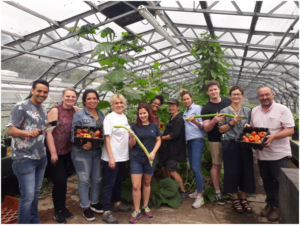
Some of our Hawkwood produce is sold to restaurants and shops. We have also developed a particular relationship with a few restaurants in a kitchen garden model, which connects chefs with trained growers and land.
Kitchen gardens are plots of land where food is grown to supply the needs of one kitchen. Historically in the UK, the grander kitchen gardens employed gardeners to supply country estates.
With OrganicLea’s Kitchen Gardens project, commercial kitchens (restaurants, pubs, canteens, delis) pay growers to plant, maintain and harvest a plot of land exclusively for them. Chefs can take part in the growing, help to plan what’s grown, and get access to high quality, ultra-fresh produce.
Growers benefit from having the restaurant take on the risk by giving them a fixed wage, and being able to focus on what they do best, the growing, without having to spend time and energy on finding a market for their produce.
OrganicLea’s Kitchen Gardens journey began with the Michelin-starred The Clove Club in London, EC1. We grew super-fresh delights including broad bean tips, fennel flowers, chervil, chocolate mint, cucamelons and shiso, in a quarter-acre garden in Marsh Lane, E10.
We went on to support Yotam Ottolenghi’s ROVI Restaurant and establish a kitchen garden at Wolves Lane Nursery, Haringey, London, where growers have had the opportunity to hone their skills in commercial production. Yotam Ottolenghi wrote about his relationship with Wolves Lane.
We are working with The Clove Club restaurant once again, on a growing site at Royal Docks Academy in Newham, London, where school students as well as chefs benefit from being involved in growing.